# Transit Engineering
- Link: https://tsigroup.ca/transit/transit-engineering/
- Published: 2026-10-30T12:46:30-04:00
- Author: sgascoyne
[Transit Services](https://tsigroup.ca/transit/)
# Transit Engineering
Transit engineering services provide the technical infrastructure needed to support
bus and rail operations. A civil engineering company designs roads, transit lanes,
grading, drainage and utility works, coordinating with specialists responsible for
signals, electrical systems, track and communications. The objective is to develop
infrastructure that functions as a coordinated system and is practical to maintain.
[Discuss Your Project](https://tsigroup.ca/contact/)

01
## Site Investigations & Infrastructure Assessments
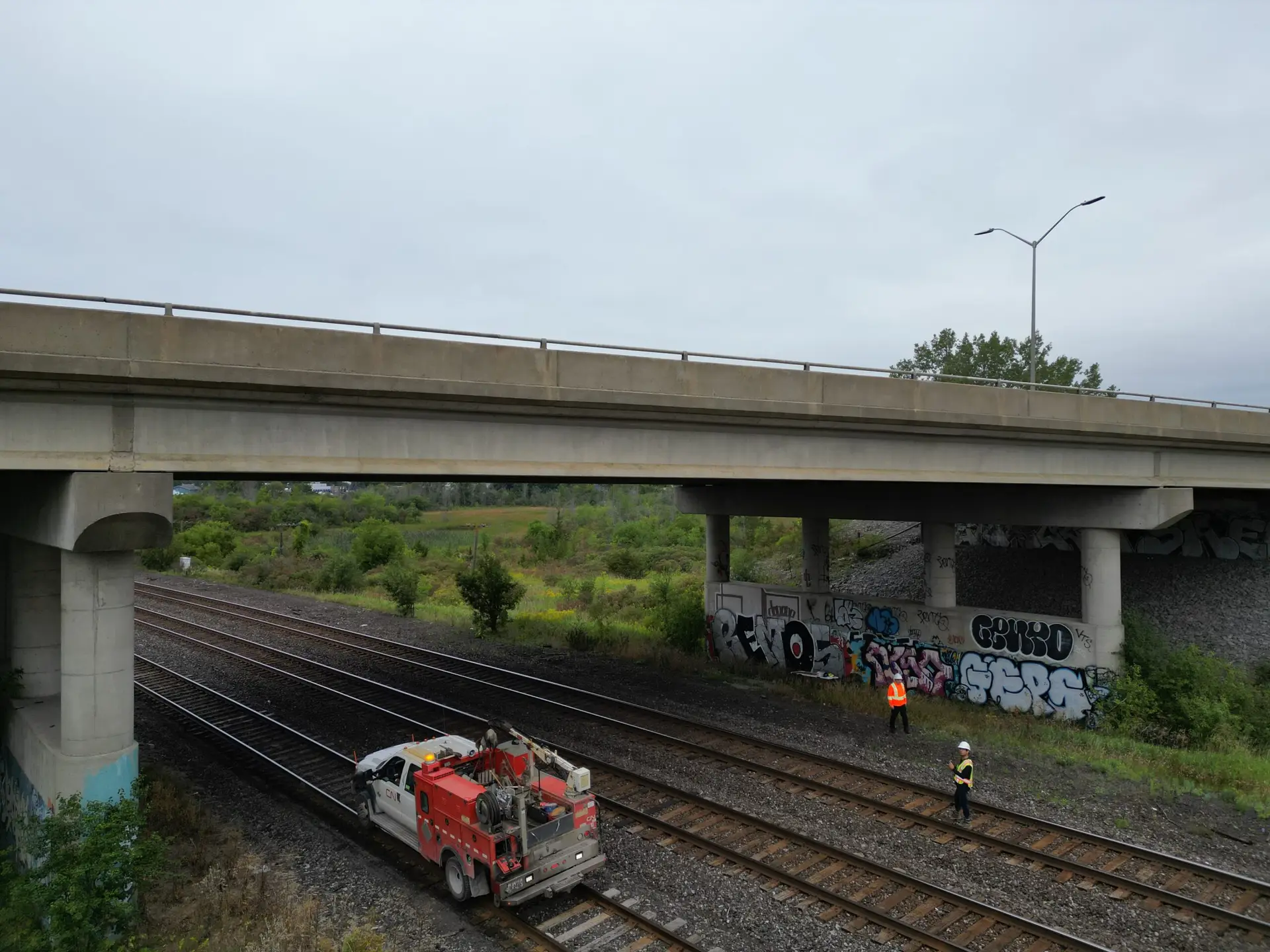
Engineers review survey data, ground conditions, and existing utilities and infrastructure
records. Investigations identify constraints that affect construction and future
operations. Findings determine where additional testing or specialist assessments
are required.
02
## Transit Roadways & Pavement Design
Designs for bus lanes, terminals and stopping areas account for vehicle loading,
repeated braking and turning movements. Engineers select pavement structures and
materials suited to anticipated use and ground conditions. Details address transitions,
drainage and connections to existing roads.
03
## Grading & Drainage Systems
Civil designs establish elevations and drainage arrangements for corridors, stations
and supporting facilities. Engineers assess runoff, collection systems, storage
and discharge connections. Particular attention is given to low points, accessible
routes and locations where ponding could affect operations.
04
## Traffic Signals & Transit Priority
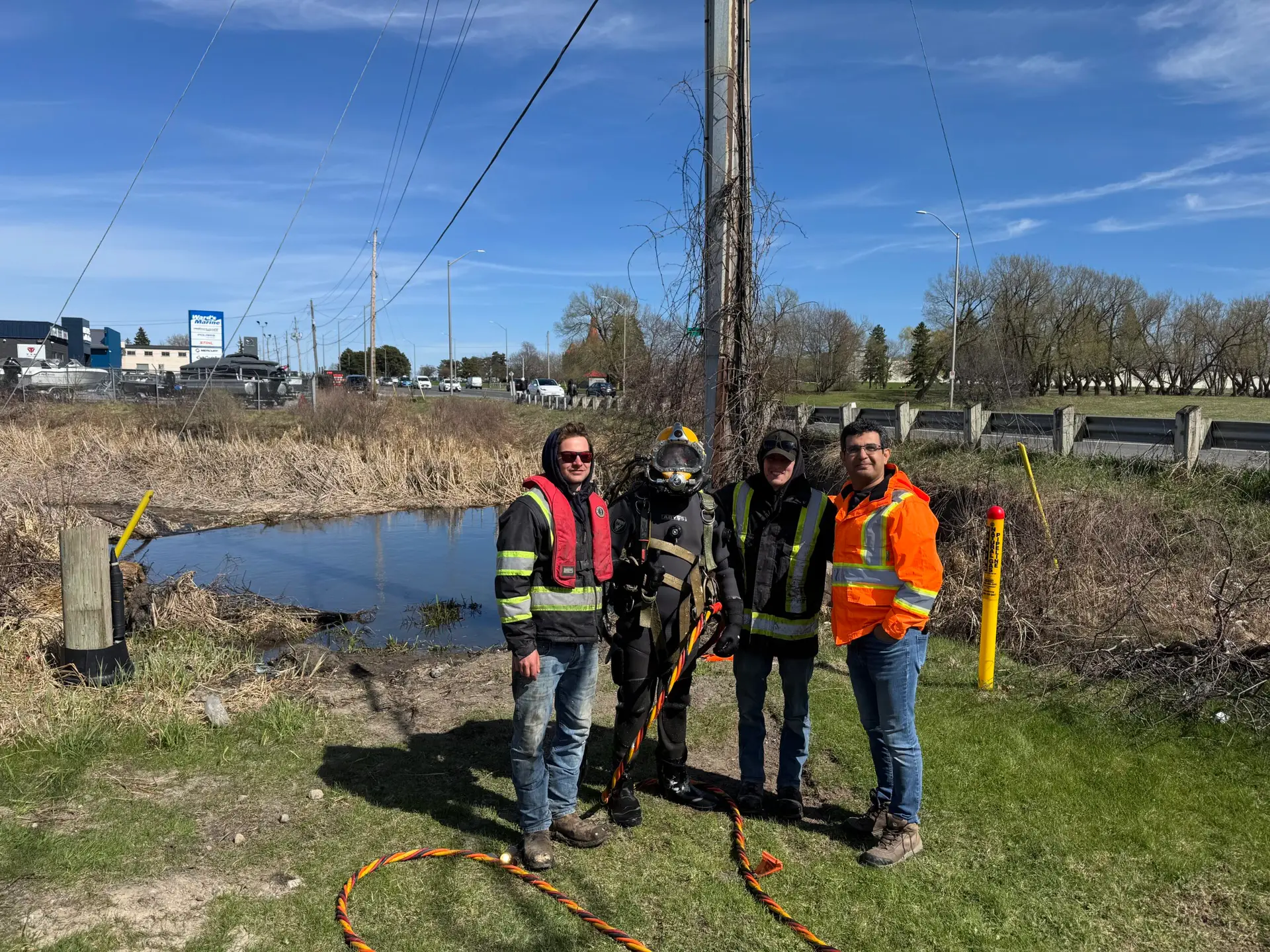
Transportation and signal specialists evaluate measures such as transit signal priority,
queue-jump lanes and revised intersection controls. Analysis considers transit travel
times alongside pedestrian movements and other traffic. Civil engineers coordinate
road geometry, equipment locations and underground infrastructure with these systems.
05
## Intelligent Transportation System Interfaces
Engineers coordinate the infrastructure supporting vehicle detection, passenger
information and operational monitoring. Civil work may include equipment foundations,
cabinets, conduits and access provisions. Communications and system functionality
are developed by the appropriate specialists.
06
## Utilities & Multidisciplinary Integration
Transit projects often require utility protection, relocation and new service connections.
Engineers coordinate these works with structural, electrical, architectural and
transit system designs. For rail projects, specialist teams lead the design and
implementation of track, traction power, signalling and related technical systems.
07
## Constructability & Lifecycle Reviews
Engineering reviews consider installation access, construction sequencing, and equipment
replacement over time. Designs incorporate inspection and maintenance provisions
where needed. Comparing alternatives helps owners balance capital costs with operating
and renewal requirements.
## Talk to our team about your transit project
Contact TSI to discuss transit engineering services for your transit project.
[← Back to Transit Services](https://tsigroup.ca/transit/)[Contact Us](https://tsigroup.ca/contact/)