
Construction Site Inspection
Construction site inspection services provide field observations to help owners assess whether selected work follows project drawings and specifications. Engineers and qualified inspectors review materials, installation and workmanship, coordinating specialist testing where needed. The assignment defines inspection coverage, reporting procedures and the activities requiring engineering review.
01
Inspection Planning & Review Stages
Engineers identify key construction stages and work that must remain accessible for review. Coordination establishes contractor notification requirements and testing arrangements. Inspection plans clarify responsibilities and the records needed to support acceptance decisions.
02
Foundations & Ground Preparation
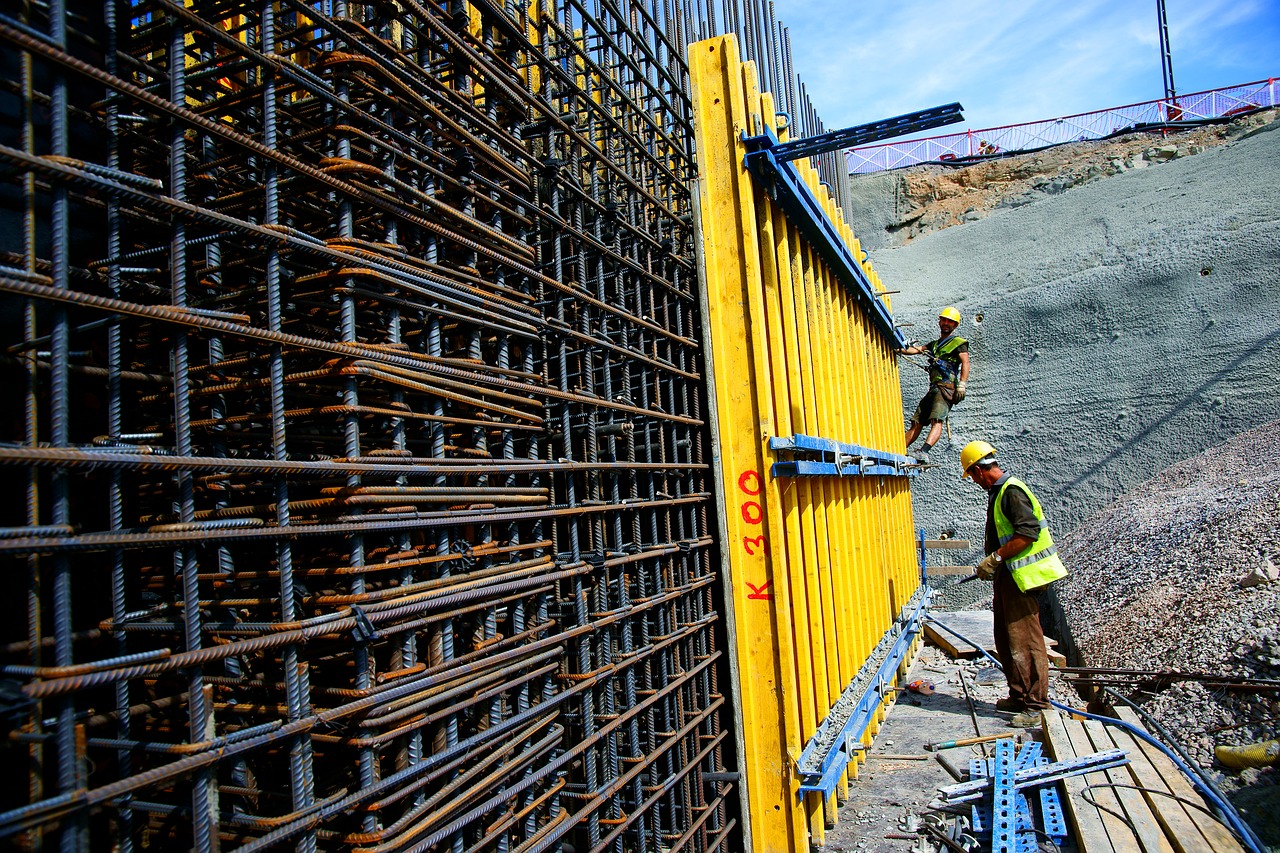
Reviews may cover excavation conditions, footing preparation, foundation dimensions and reinforcement. Geotechnical specialists assess soil-related matters within their assignment. Unexpected conditions are referred to the appropriate designer before affected work proceeds.
03
Structural Components & Connections
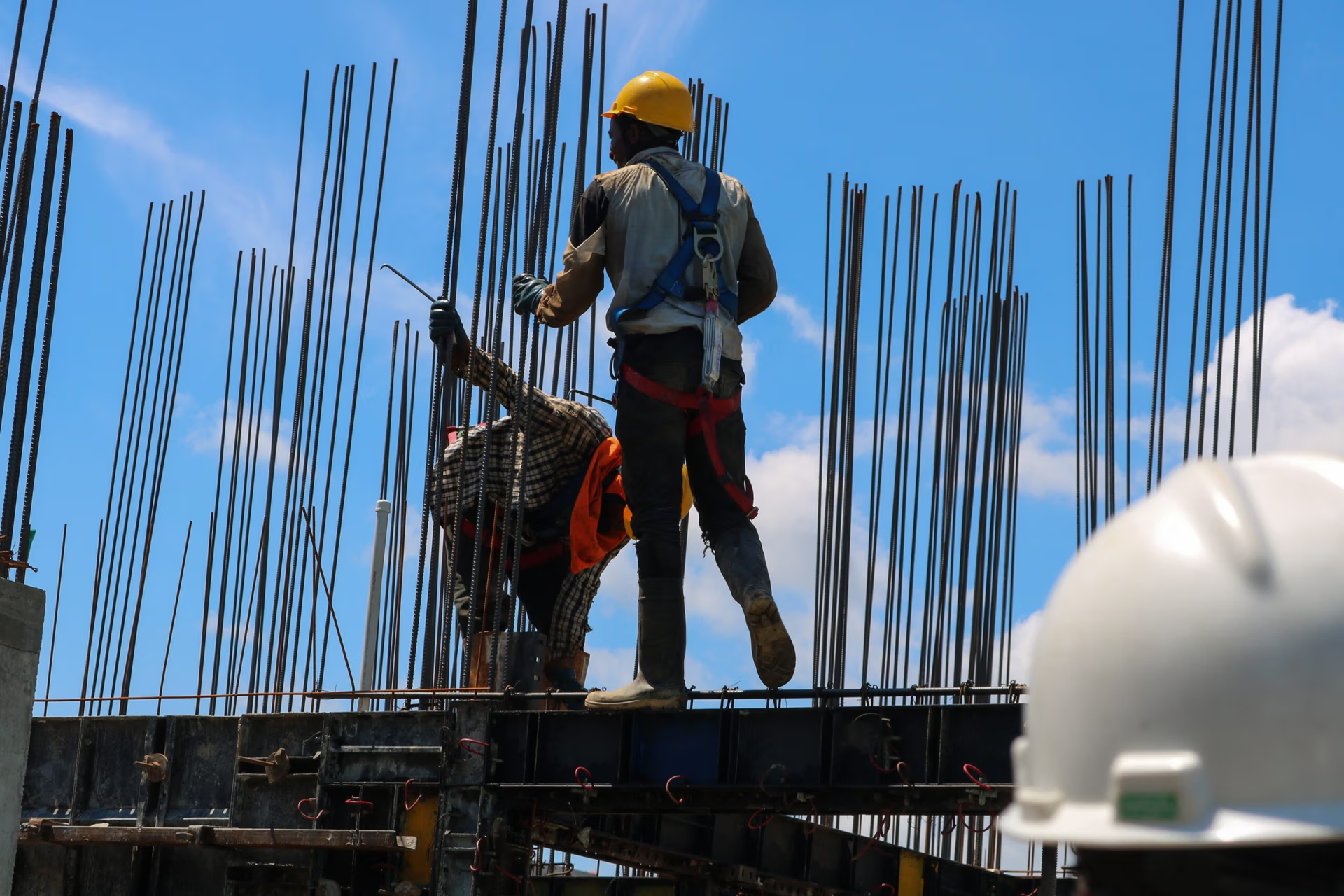
Inspectors review selected framing, reinforcing steel, connections and embedded items against current documents. Specialized welding or bolting inspections are undertaken by qualified personnel. Findings identify discrepancies requiring clarification or corrective work.
04
Material Testing & Quality Records
Laboratories and field technicians perform specified tests for concrete, soils and other materials. Engineers review available results against project criteria. Unsatisfactory or missing results are tracked for investigation and resolution.
05
Observed Hazards & Site Communication
Inspectors communicate observed hazards through established site procedures. Dedicated safety audits are undertaken by qualified safety personnel where included in the scope. The project’s assigned parties retain responsibility for construction methods, supervision and workplace safety.
06
Deficiencies & Completion Reviews
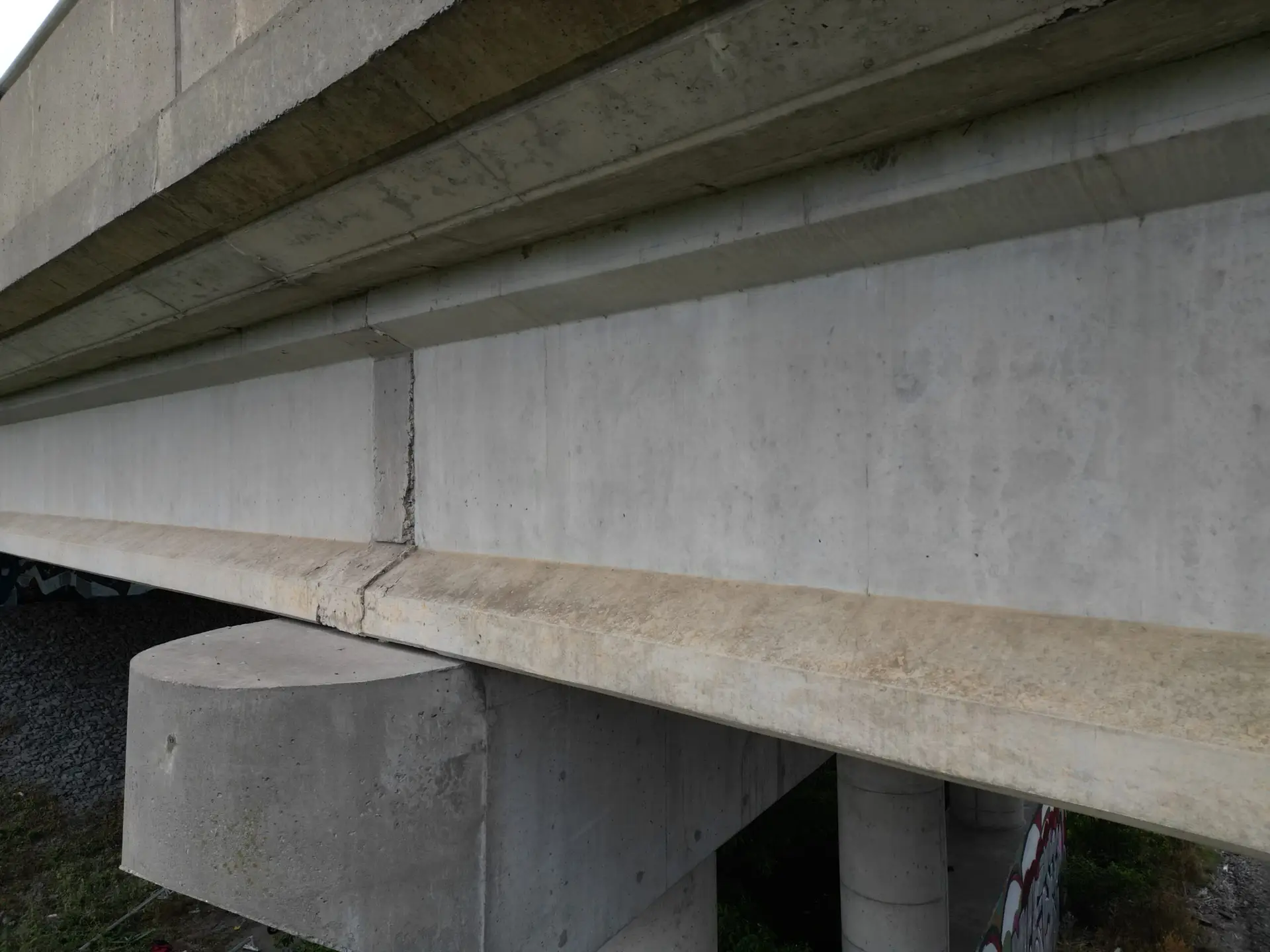
Reports document observations, locations and required follow-up. Corrective proposals are assessed by the responsible designer, with subsequent inspections recording completion. Final reviews identify outstanding work and quality documentation needed for handover.