
Bridge Demolition
Bridge demolition engineering services support the planned removal of structures that are being replaced, decommissioned, or partially dismantled. Qualified engineers assess the existing bridge and construction-stage stability, coordinating with specialist demolition contractors and environmental consultants. Services focus on engineered sequencing, temporary works interfaces, protection requirements, and documentation tailored to the project.
01
Existing Structure Review & Investigations
Engineers examine available drawings, inspection reports, previous modifications, and the observed condition. Site investigations identify structural connections, utility services, and features that affect removal planning. When records are incomplete, targeted investigations provide the information needed to evaluate the proposed approach.
02
Removal Options & Feasibility Assessment
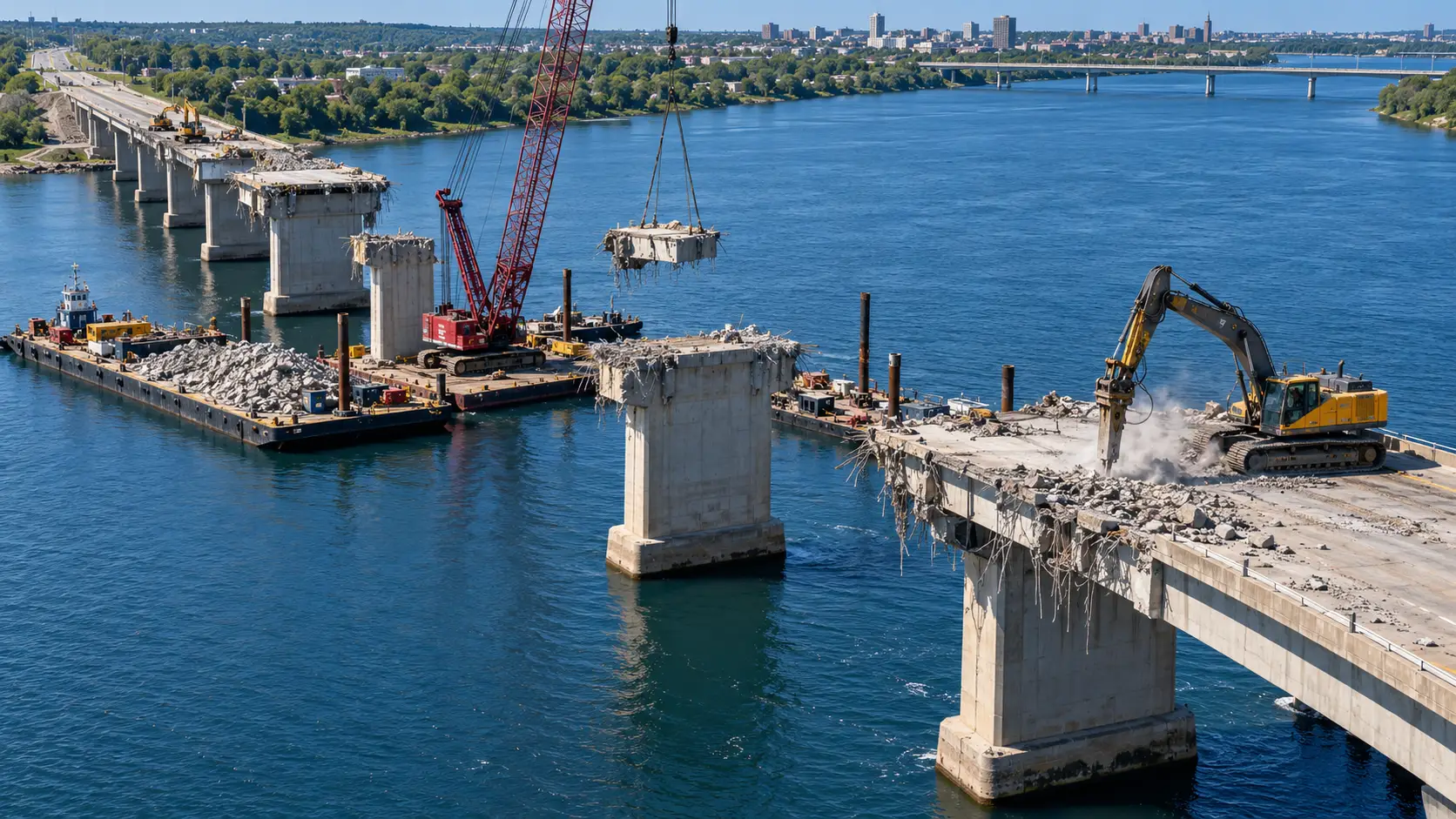
The project team compares removal approaches based on structural form, condition, site access and surrounding constraints. Assessments consider nearby roads, buildings, waterways and infrastructure that must remain operational. Options are evaluated for technical feasibility, disruption and environmental implications.
03
Engineered Sequencing & Stability Reviews
Engineers assess how removing components affects load paths and structural stability. The review identifies where temporary support or additional engineering is required between construction stages. Detailed methods are developed in collaboration with the specialist contractor and the engineers responsible for the demolition works.
04
Temporary Works & Adjacent Structure Protection
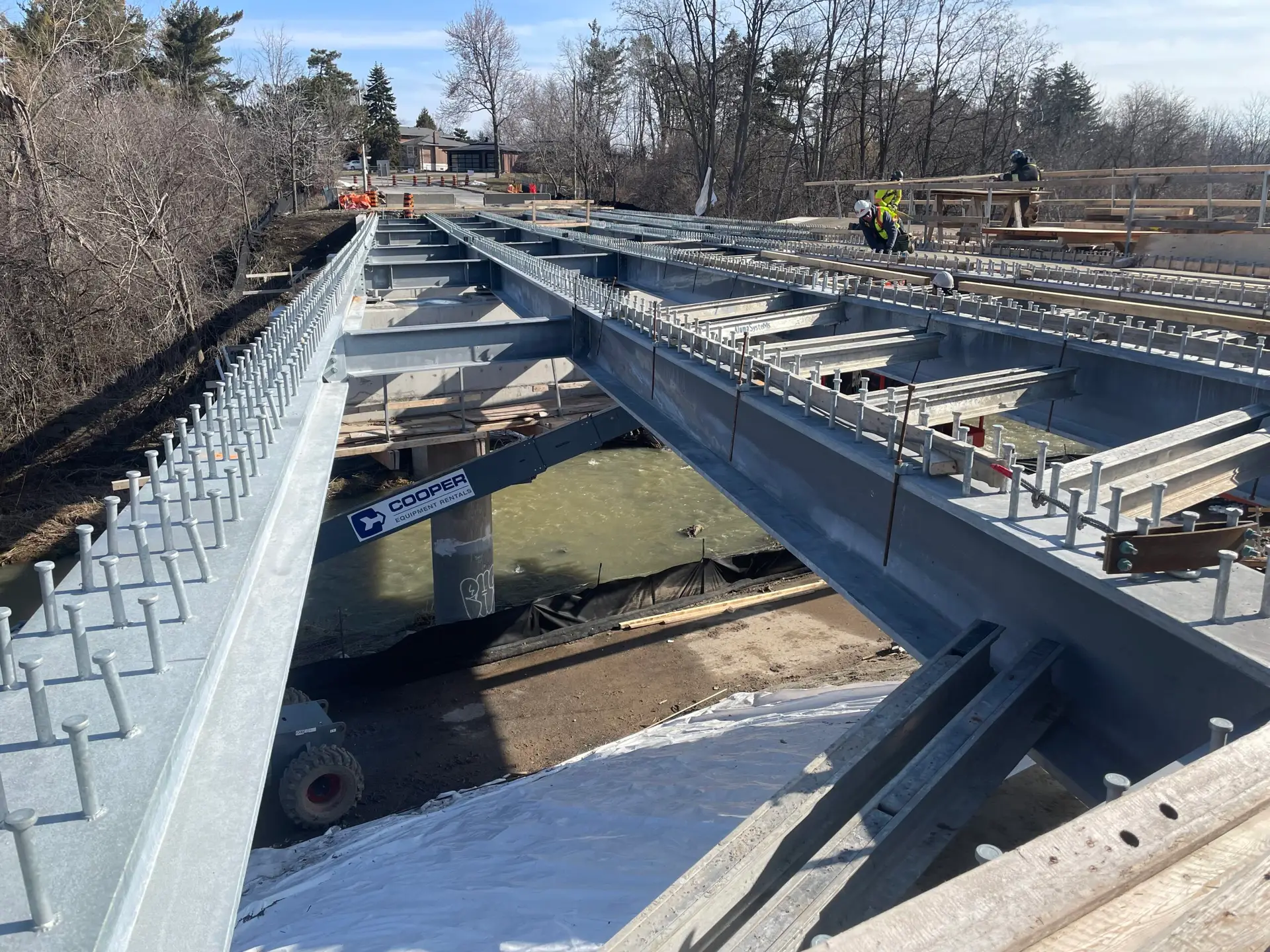
Temporary supports, working platforms, and protection systems require designs appropriate to their loads and intended use. Engineers coordinate interfaces with structures that will remain, including retained bridge sections and nearby infrastructure. Monitoring requirements may be established where movement or vibration could affect adjacent assets.
05
Traffic, Utility & Access Coordination
Planning identifies required closures, detours and construction access arrangements. Utility owners coordinate the disconnection, relocation or protection of services before affected work begins. Emergency access and restrictions around the work area are incorporated into the project arrangements.
06
Environmental Protection & Material Management
Environmental specialists assess relevant concerns, including existing coatings, potentially hazardous materials, and work near water. Plans address containment, debris collection, and the handling of demolition materials. Engineers coordinate these measures with site drainage and the protection of surrounding infrastructure.
07
Engineering Reviews & Site Monitoring
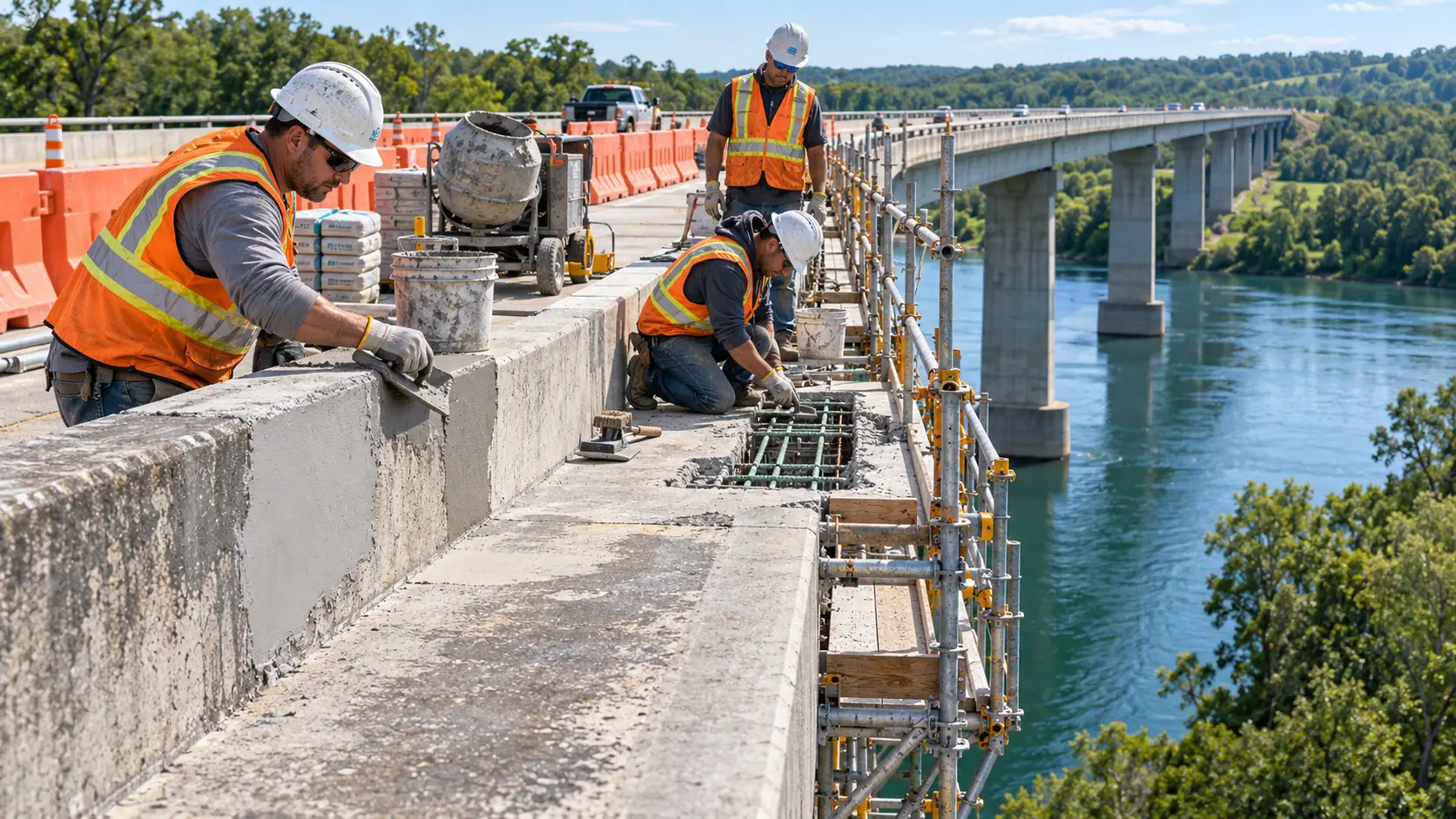
During the work, engineers review conditions and activities within their assigned scope. The responsible designer assesses changes to the structure or proposed sequence before affected operations proceed. Inspection and monitoring records document observations and issues requiring action.
08
Site Restoration & Project Closeout
Following removal, reviews assess remaining foundations, retained structures, and restoration work, as applicable. Completion documentation records the extent of removal and any remaining infrastructure. Site grading, drainage, and erosion protection are coordinated with the next stage of development or the intended final site condition.