
Forensic Engineering
Forensic engineering investigates structural distress, damage and failures to establish likely causes and inform corrective action. Qualified engineers combine site evidence, records, testing and technical analysis to evaluate what occurred and why. Assignments may support repairs, insurance reviews or dispute resolution, with conclusions based on the available evidence and clearly stated limitations.
01
Investigation Scope & Evidence Planning
Engineers establish the questions to be answered and the information needed to investigate them. Available drawings, photographs, maintenance records and accounts of the event are reviewed. Planning identifies specialist input and measures needed to preserve relevant evidence.
02
Site Examination & Damage Documentation
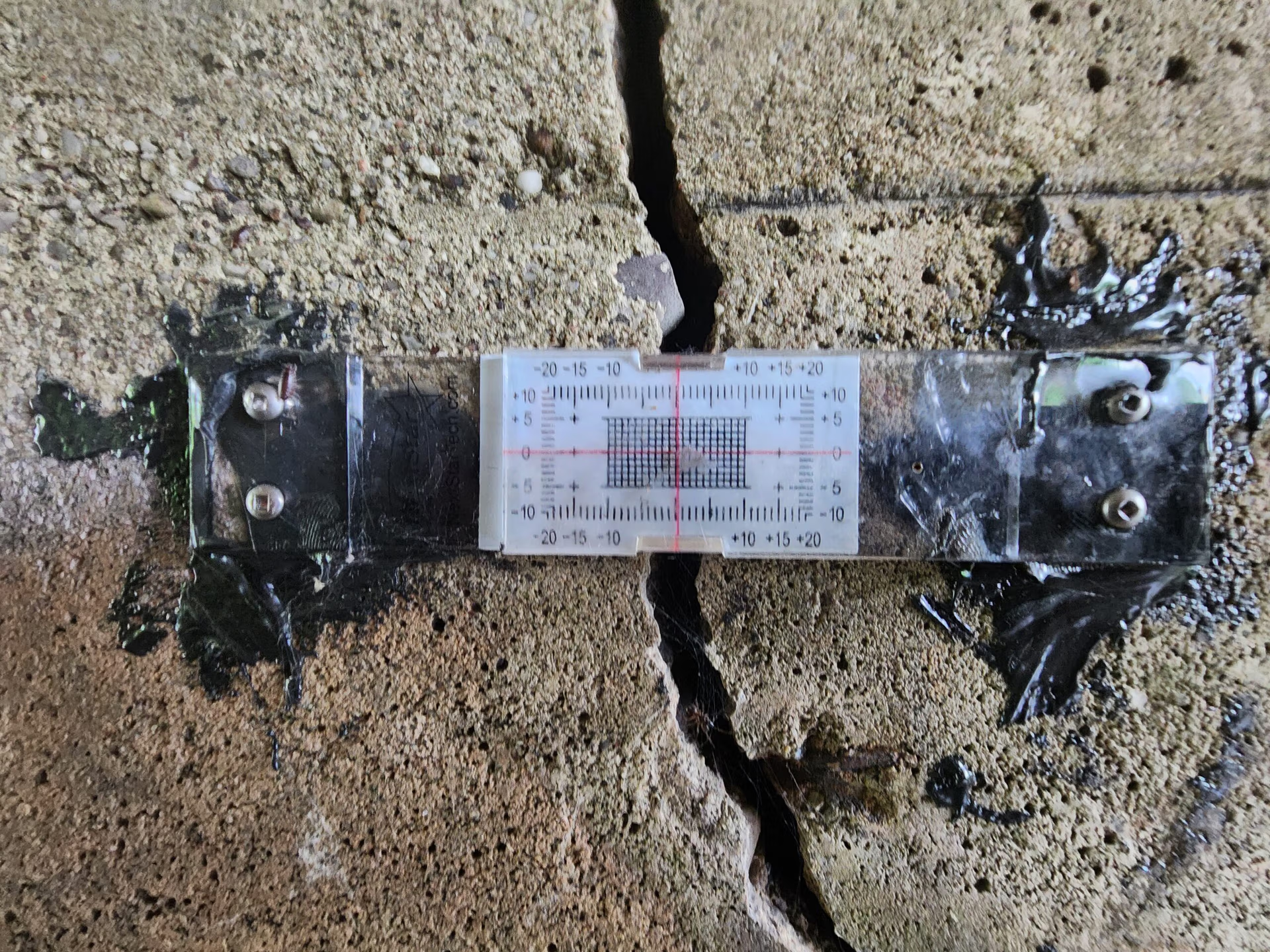
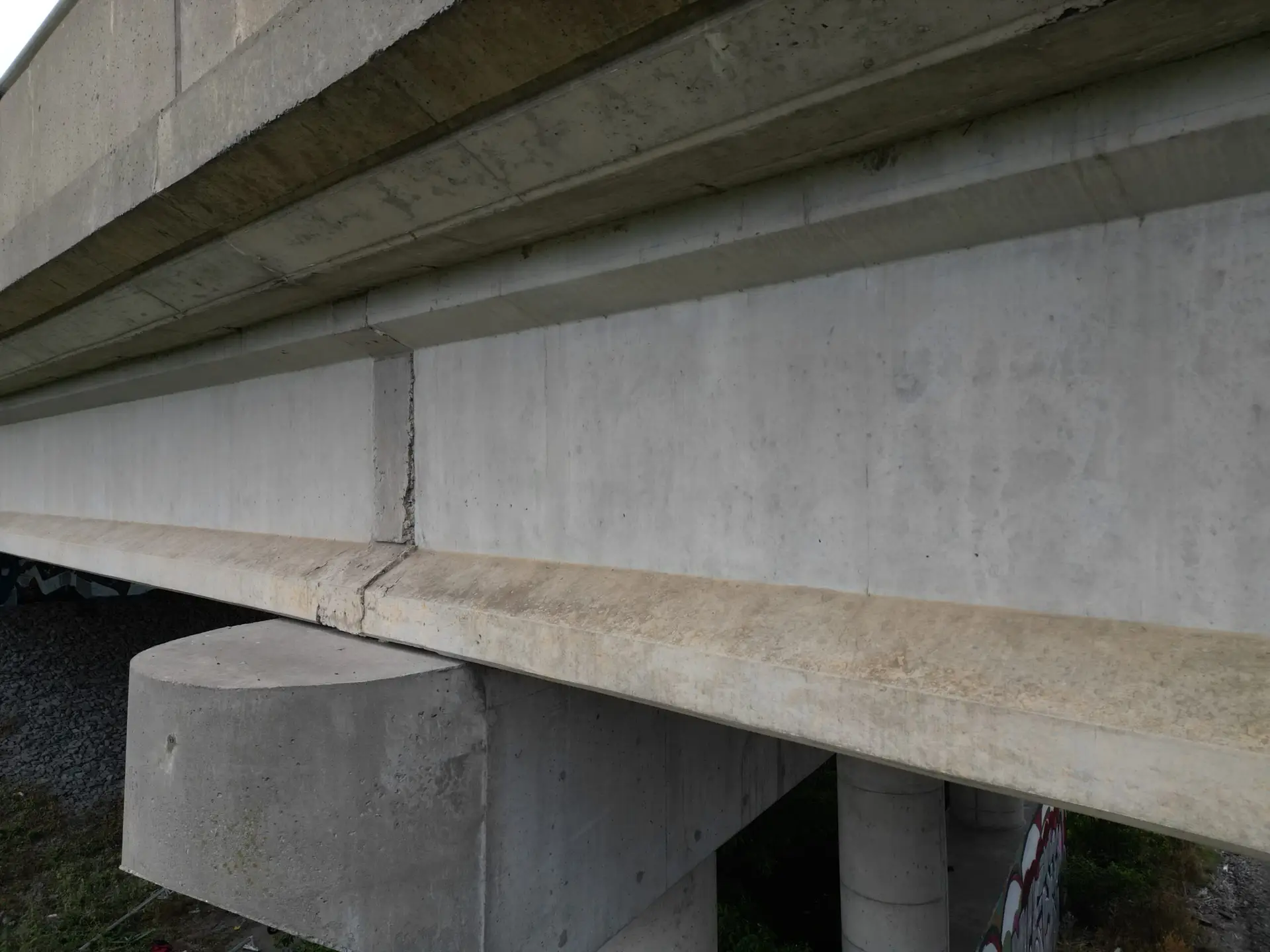
Field investigations record damage patterns, dimensions, displacement and surrounding conditions. Photographs, sketches and surveys document the scene before repairs alter it. Immediate structural concerns are communicated promptly for appropriate action.
03
Material Sampling & Specialist Testing
Testing is selected to investigate specific hypotheses about material properties or deterioration. Qualified laboratories and specialists may examine concrete, steel, timber, masonry or connection components. Sample identification and handling records maintain traceability where required.
04
Structural Analysis & Hypothesis Evaluation
Engineers assess loading, load paths, connections and structural behaviour relevant to the damage. Alternative explanations are compared with observations and test results. Analysis distinguishes supported conclusions from possibilities requiring more evidence.
05
Design, Construction & Maintenance Review
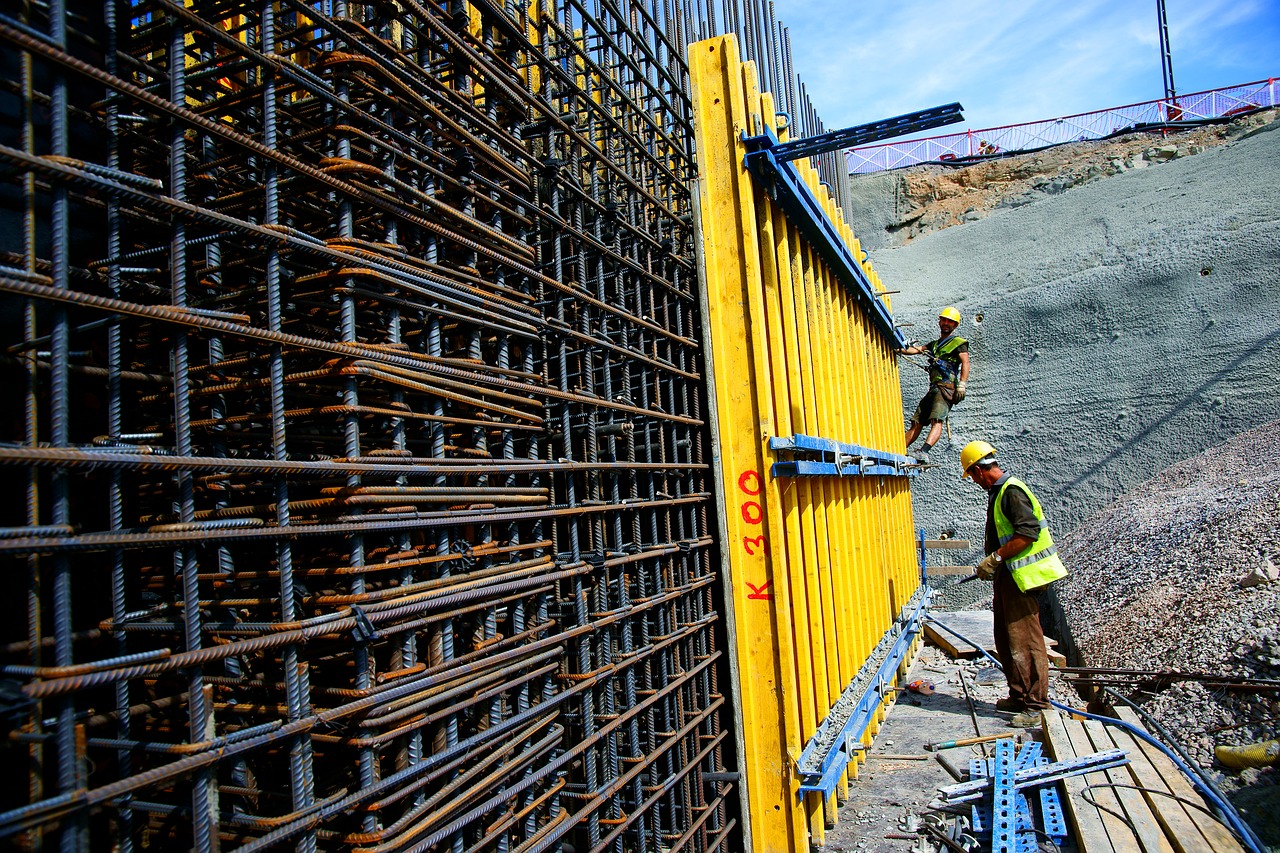
The investigation examines relevant documents and records to assess how the structure was designed, built, modified and maintained. Departures or deficiencies are evaluated for their potential contribution to the event. Technical causation is assessed within the engineer’s expertise.
06
Remedial Recommendations & Technical Reporting
Reports describe the investigation, evidence, analysis and conclusions. Recommendations may include temporary stabilization, further investigation, repair design or monitoring. Where separately appointed, engineers can provide technical explanations and expert support in formal proceedings.