
Structural Condition Assessment
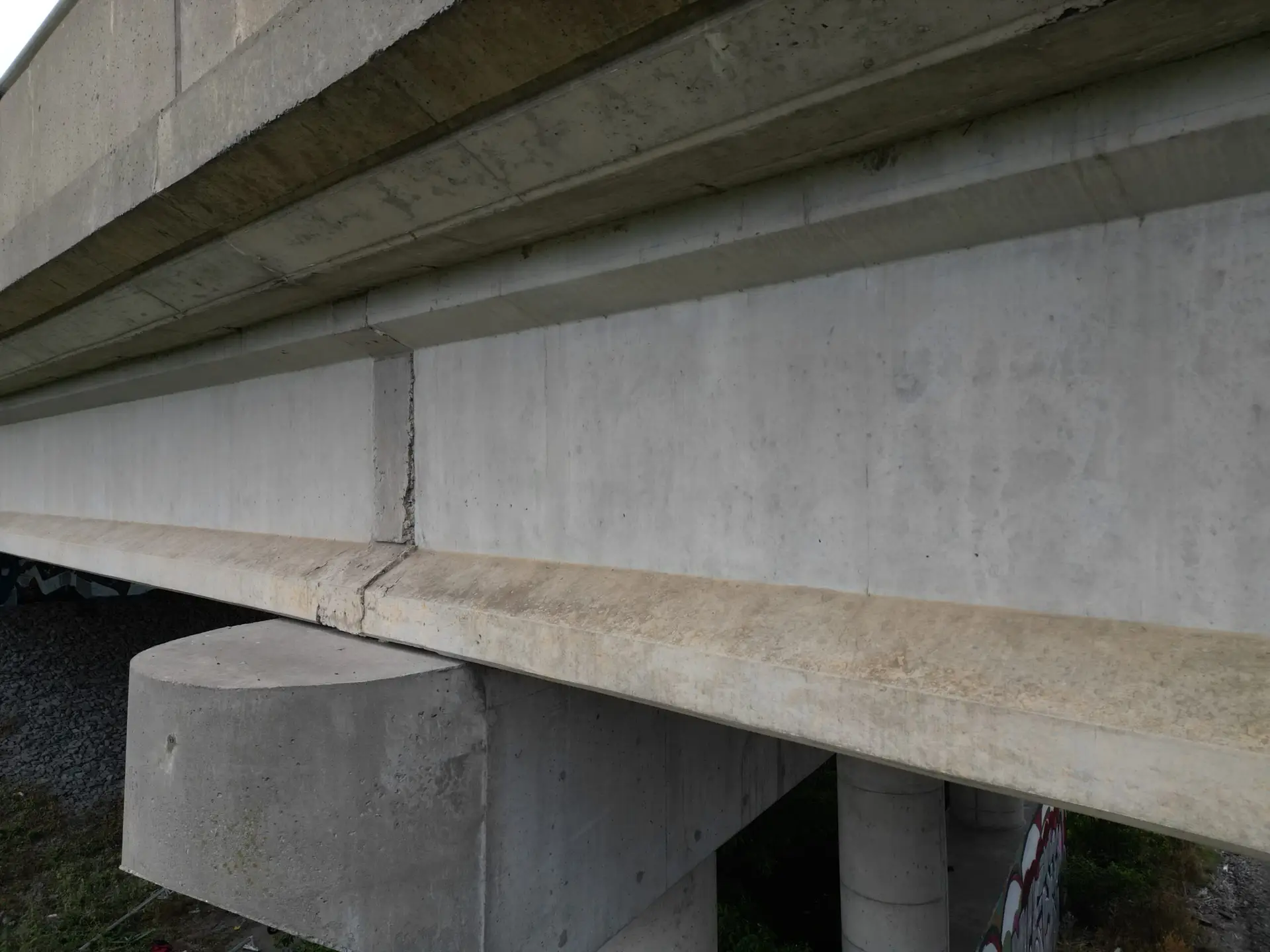
Structural condition assessments help owners understand deterioration, investigate defects and plan repairs or rehabilitation. Engineers examine accessible structural components and combine observations with available records, testing and analysis. Assessments can cover concrete, steel, timber, stone and masonry structures, with investigations tailored to the asset and the concerns being evaluated.
01
Background Review & Assessment Planning
Engineers review drawings, inspection reports, maintenance histories and known changes in use. Planning establishes the components to be assessed, access requirements and questions the investigation must resolve. Missing information is identified before fieldwork begins.
02
Field Inspections & Defect Mapping
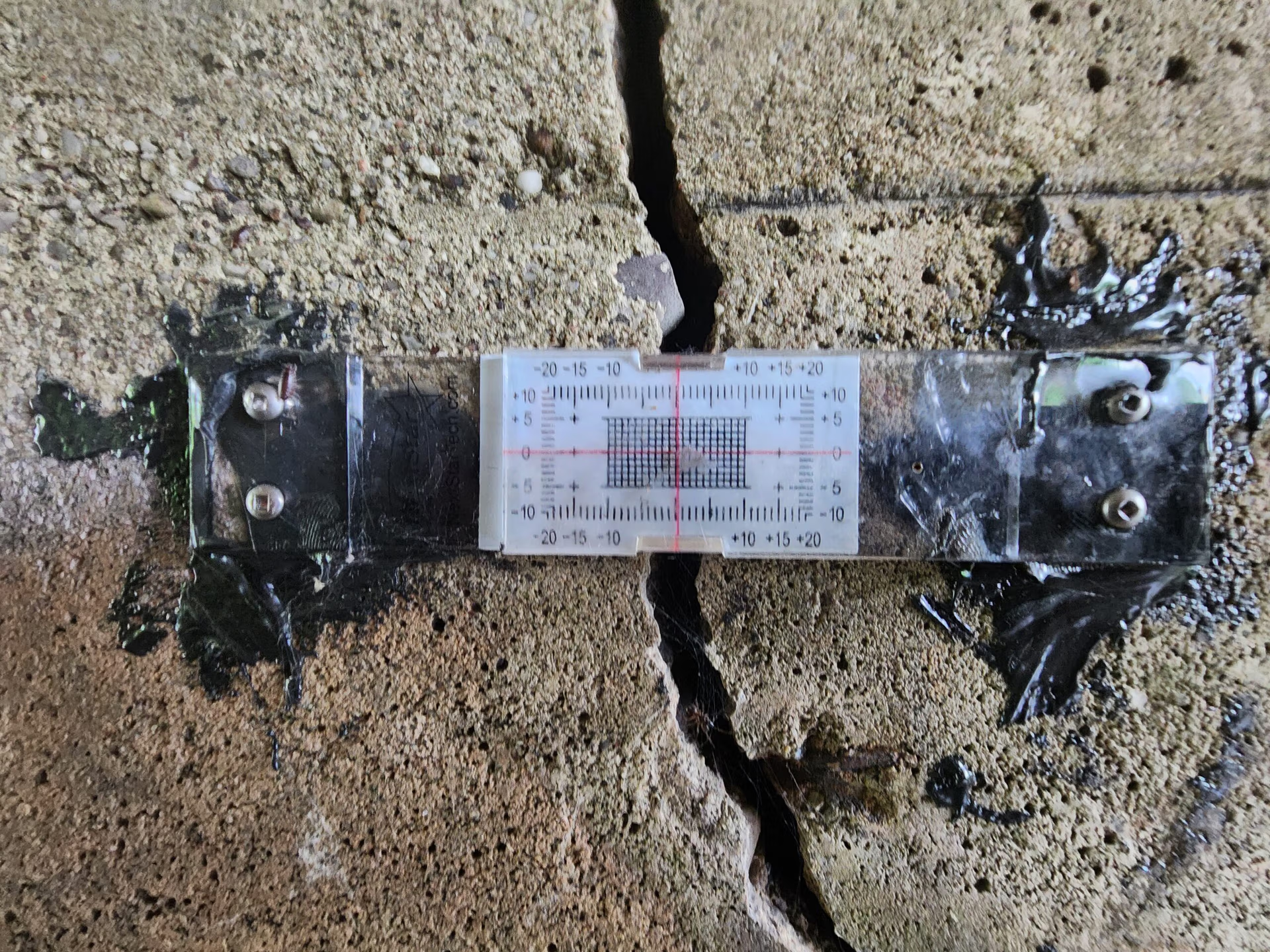
Inspections document cracking, corrosion, spalling, deformation, displacement and other visible defects. Photographs, measurements and marked-up plans record location and extent. These observations provide a baseline for subsequent testing and future comparison.
03
Material Testing & Targeted Investigation
Testing may include concrete sampling, steel thickness measurements, masonry investigations or selective openings. Qualified personnel use methods suited to the information required. Results help establish material condition and identify deterioration beyond visible surfaces.
04
Causes & Structural Significance
Engineers assess likely deterioration mechanisms and their potential effects on performance. Structural calculations may be required to evaluate selected components using the available condition information. Uncertainties are documented with recommendations for further work.
05
Repair Options & Priorities
Recommendations distinguish urgent concerns, planned rehabilitation, maintenance and monitoring. Options may include localized repairs, protective systems, strengthening or replacement. Preliminary estimates help owners compare approaches and organize investment.
06
Reporting & Ongoing Monitoring
Reports explain findings, assumptions, limitations and recommended actions. Monitoring programs can track movement or deterioration where its progression remains uncertain. Follow-up assessments update priorities as conditions change or repairs are completed.