
Seismic & Wind Engineering
Seismic and wind engineering services assess how structures respond to earthquake shaking and wind forces. Qualified specialists evaluate structural behaviour, develop appropriate resisting systems and design upgrades where needed. Services support new construction, changes to existing buildings and investigations into vulnerabilities affecting structural and non-structural components.

01
Site Conditions & Design Criteria
Engineers establish the relevant hazard information, building characteristics and performance objectives. Geotechnical specialists provide information about ground conditions that influence seismic response. Wind assessments consider location, terrain, exposure and building geometry.
02
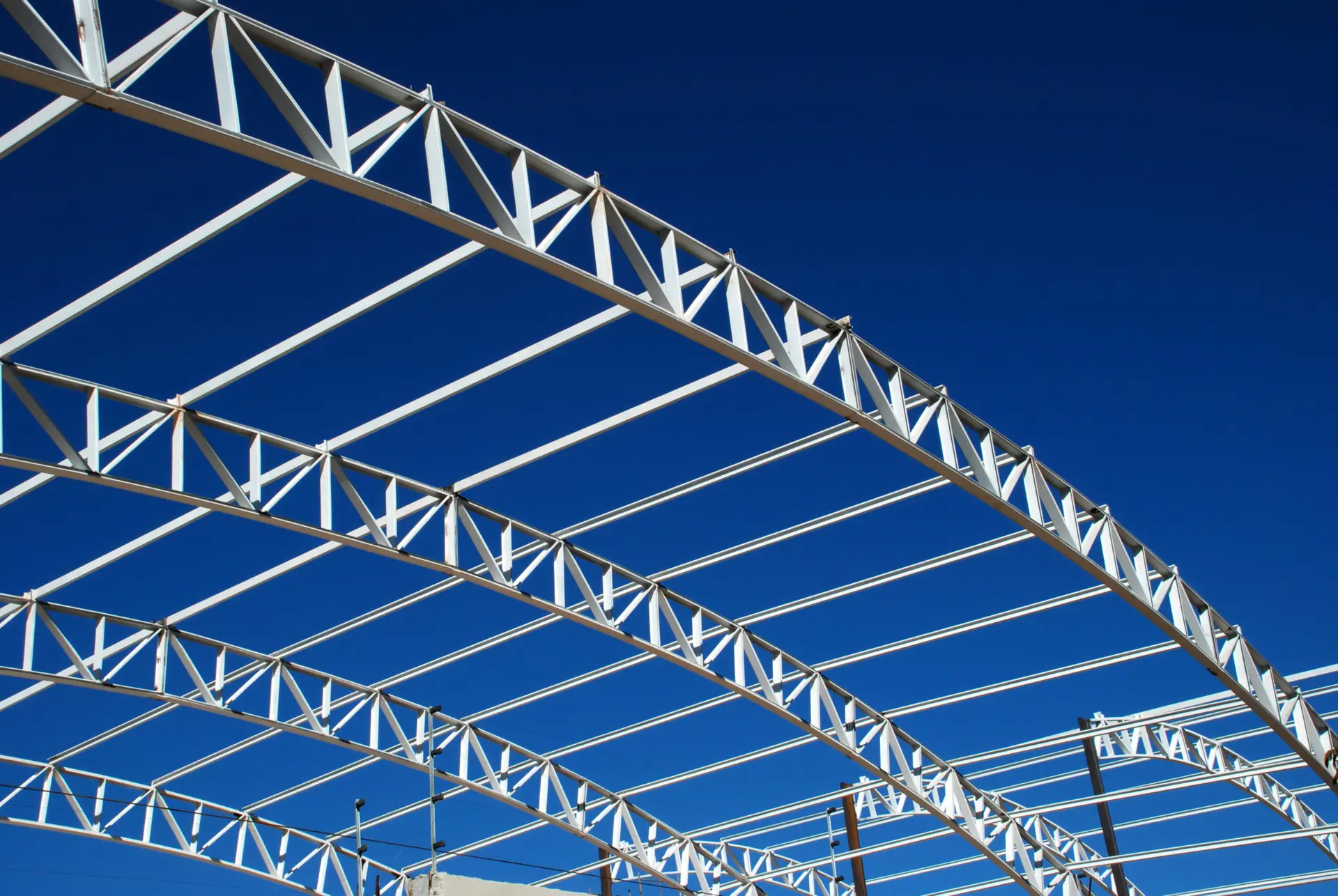
Lateral Load-Resisting Systems
Engineers develop systems such as braced frames, moment frames and structural walls to resist horizontal forces. Design establishes how floors and roofs transfer these forces to vertical elements and foundations. Coordination helps integrate the resisting system with the building layout.
03
Structural Modelling & Dynamic Analysis
Analysis evaluates movement, force distribution and the interaction of structural components. More detailed dynamic studies are undertaken where warranted by the structure or project objectives. Results help assess effects such as torsion, drift and force concentrations.
04
Wind Performance & Specialist Studies
Engineers assess wind effects on the main structure and coordinate requirements for cladding, roof systems and attachments. Specialist wind studies may be appropriate for unusual shapes, tall buildings or sensitive applications. Findings inform both structural design and serviceability considerations.
05
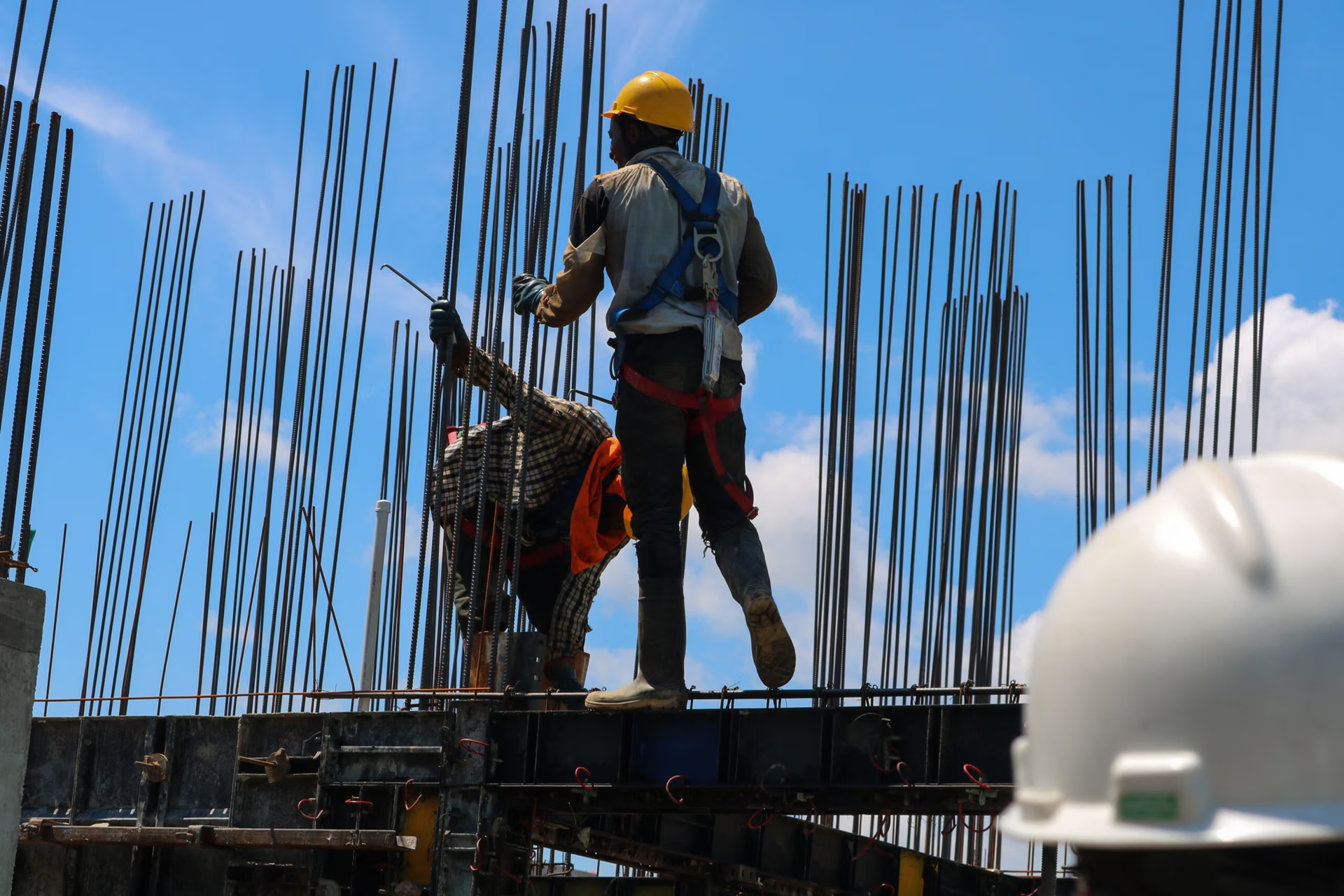
Existing Structure Evaluations & Retrofits
Assessments review existing materials, connections and structural arrangements to identify weaknesses. Engineers compare strengthening options and assess their effects on the overall load path. Retrofit planning considers access, occupancy and interfaces with existing construction.
06
Equipment Anchorage & Non-Structural Coordination
Engineers design or review anchorage for designated equipment and components within their assignment. Coordination with mechanical, electrical and architectural specialists addresses supports, clearances and movement compatibility. Construction documentation defines installation and review requirements.