
Bridge Rehabilitation
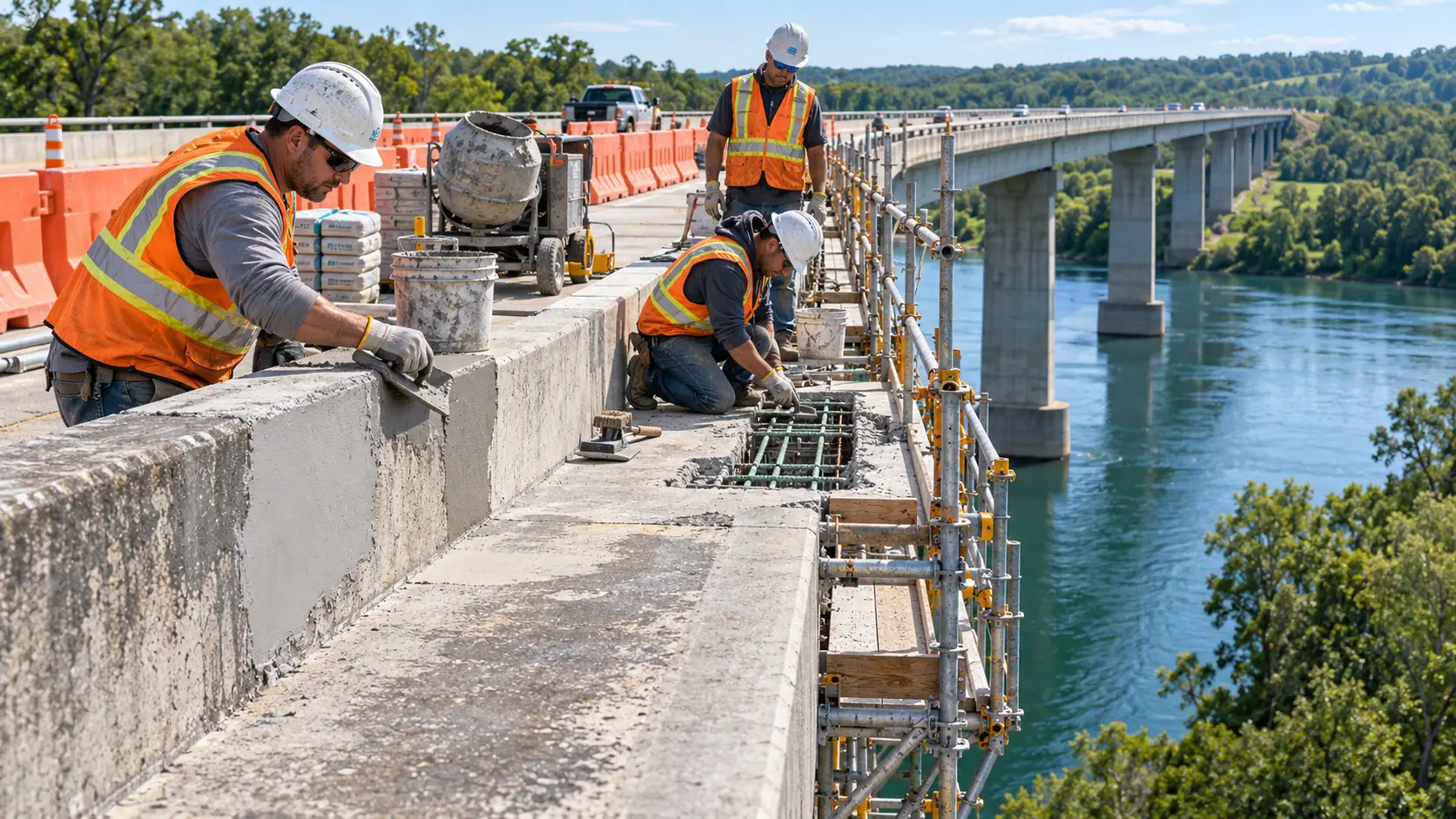
Bridge rehabilitation services address deterioration, restore serviceability and improve selected aspects of structural performance. Engineers assess existing conditions and develop repairs or upgrades tailored to the bridge’s materials, structural form and remaining service objectives. Projects can range from localized concrete repairs to major deck replacement or structural strengthening.
01
Condition Review & Rehabilitation Objectives
Engineers review inspection findings, prior repairs, operating requirements, and known structural concerns. Additional investigation determines the extent of deterioration and the information required for design. The owner’s objectives determine whether the project focuses on preservation, improved capacity, extended service life, or a combination of outcomes.
02
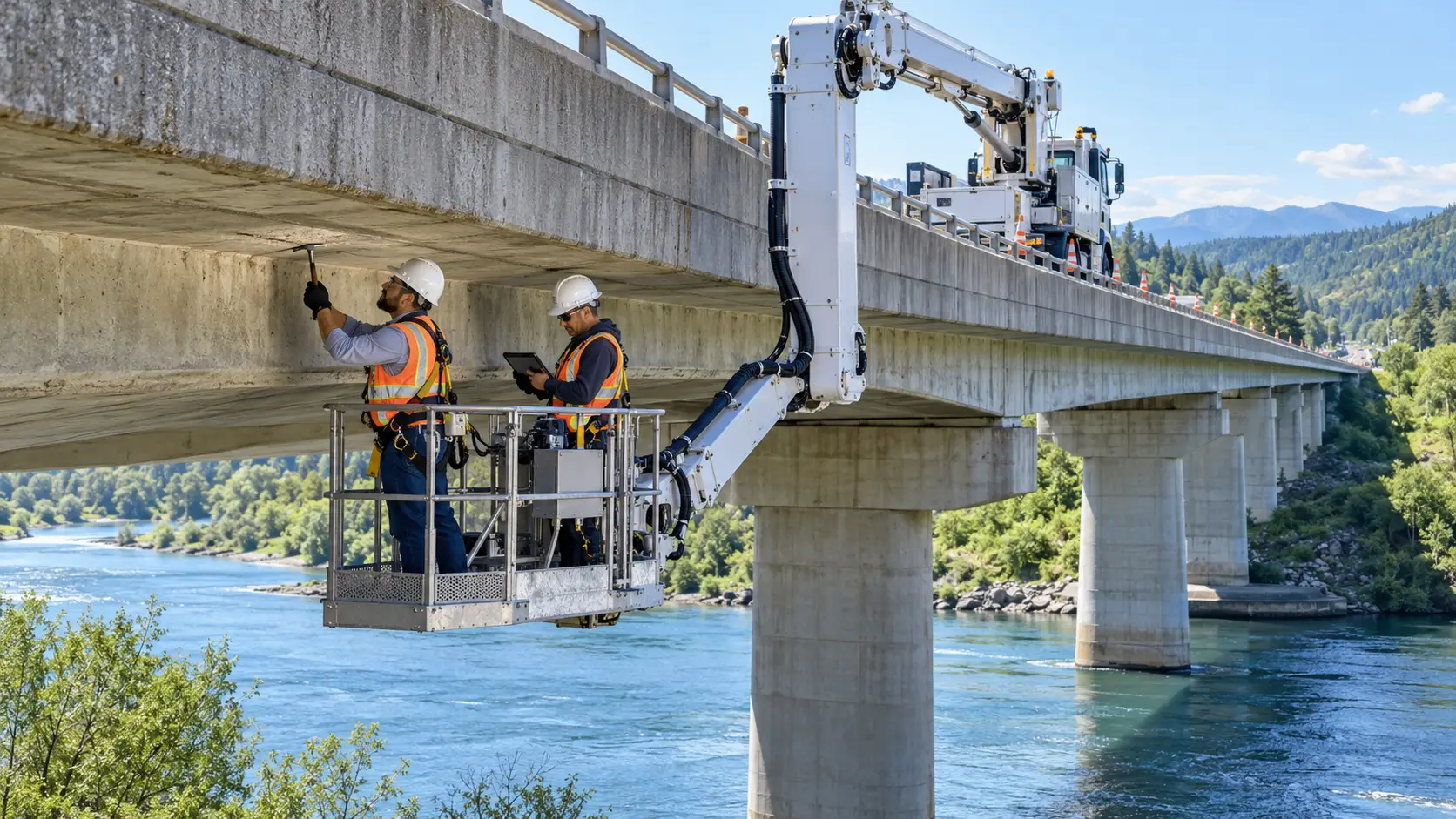
Material Testing & Deterioration Assessment
Testing helps identify mechanisms such as reinforcement corrosion, concrete deterioration, fatigue, or coating failure. Engineers assess whether damage is localized or widespread and whether the underlying causes remain active. Understanding these factors supports repairs that address both the defects and the contributing conditions.
03
Rehabilitation Options & Cost Comparisons
Option studies compare repair, strengthening, component replacement, and full replacement where appropriate. Evaluations consider expected durability, construction access, traffic disruption, and future maintenance. Cost comparisons help owners assess whether rehabilitation provides suitable long-term value.
04
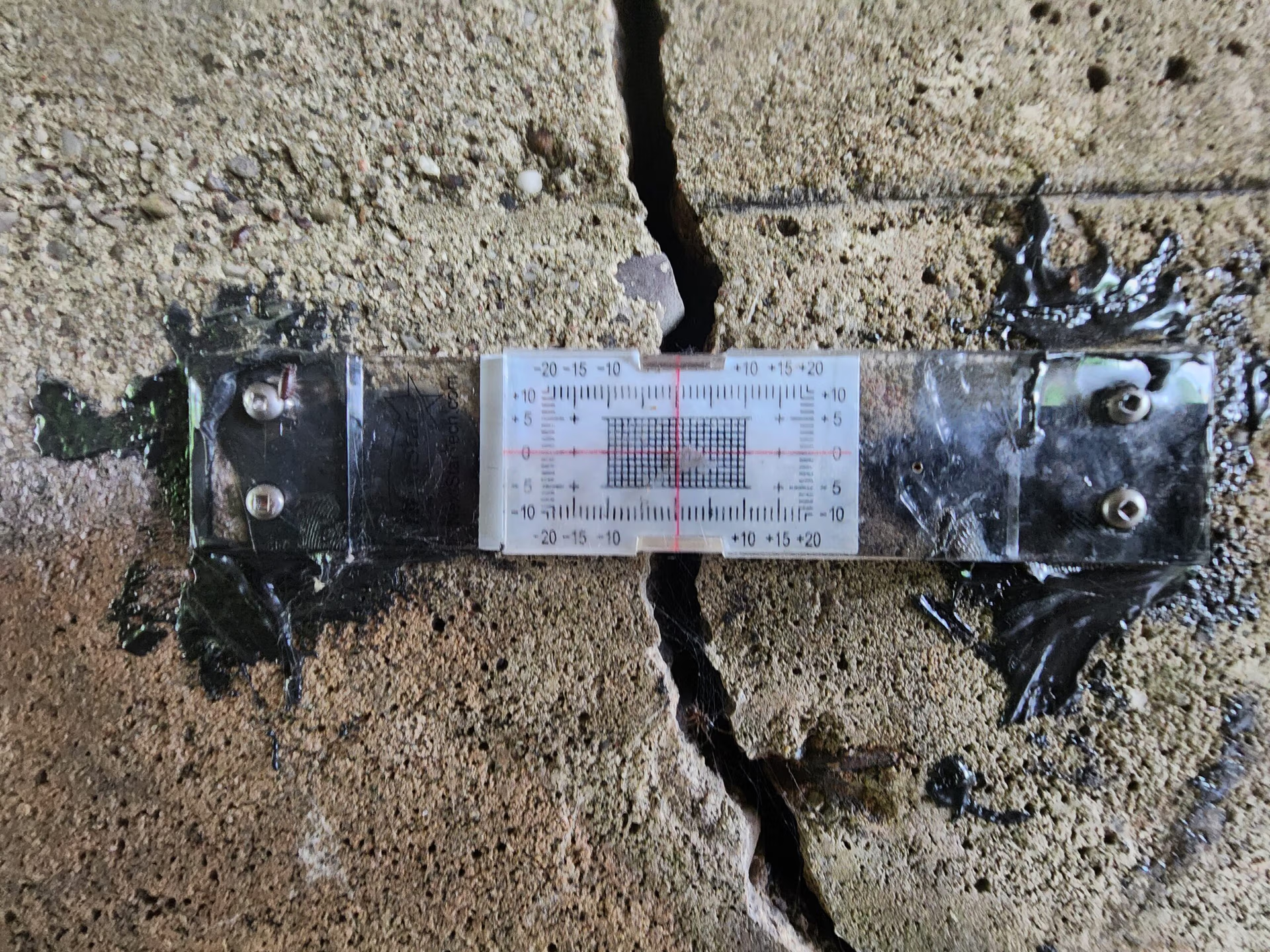
Deck Repairs & Replacement
Services may include concrete patching, overlays, waterproofing, drainage improvements, and deck replacement. Engineers define repair limits and details based on investigation results. The design also considers connections to barriers, joints, approaches, and the existing supporting structure.
05
Structural Strengthening & Component Repairs
Qualified engineers design strengthening or replacement for selected beams, girders, connections and other structural elements. Solutions depend on the material, defect and required performance. Analysis considers the existing condition and the forces introduced during construction, as well as after completion.
06
Bearings, Joints & Substructure Rehabilitation
Projects can include bearing replacement, joint upgrades, concrete repairs, and foundation protection. Design may require temporary supports or controlled load-transfer arrangements. Engineers coordinate these activities with construction staging and specialist temporary works designs.
07
Traffic Staging & Service Continuity
Rehabilitation planning evaluates lane restrictions, closures, detours and temporary access. Engineers assess how staged work affects structural behaviour and construction feasibility. Coordination helps owners balance project duration, cost and disruption to road users.
08
Construction Support & Performance Monitoring
Engineers prepare construction documents, review submissions, and assess conditions revealed during repairs. Field reviews and testing help evaluate completed work against project requirements. Follow-up inspections can monitor repair performance and inform future maintenance.