
Bridge Inspection
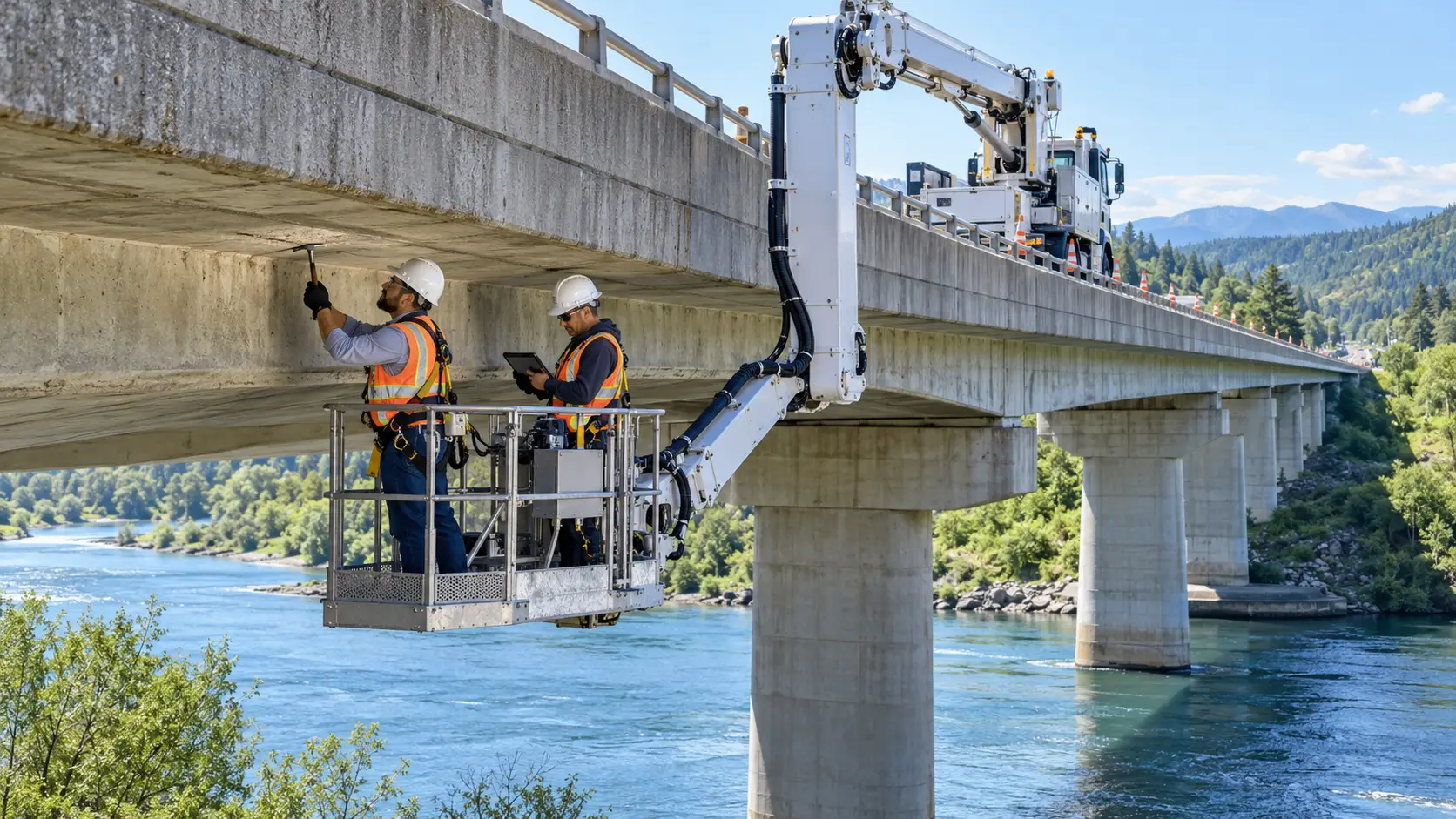
Bridge inspection services help owners understand the structural condition, identify deterioration, and determine where maintenance or further investigation is needed. Qualified inspection teams examine accessible components and document defects using methods appropriate to the structure. Findings support asset management, repair planning, and decisions about additional engineering assessment.
01
Inspection Planning & Records Review
Engineers review drawings, previous inspections, maintenance records and known concerns before fieldwork. Planning identifies inspection coverage, access equipment, traffic arrangements and specialist services. Particular attention is given to components that are difficult to access or have a history of deterioration.
02
Deck & Roadway Component Inspections
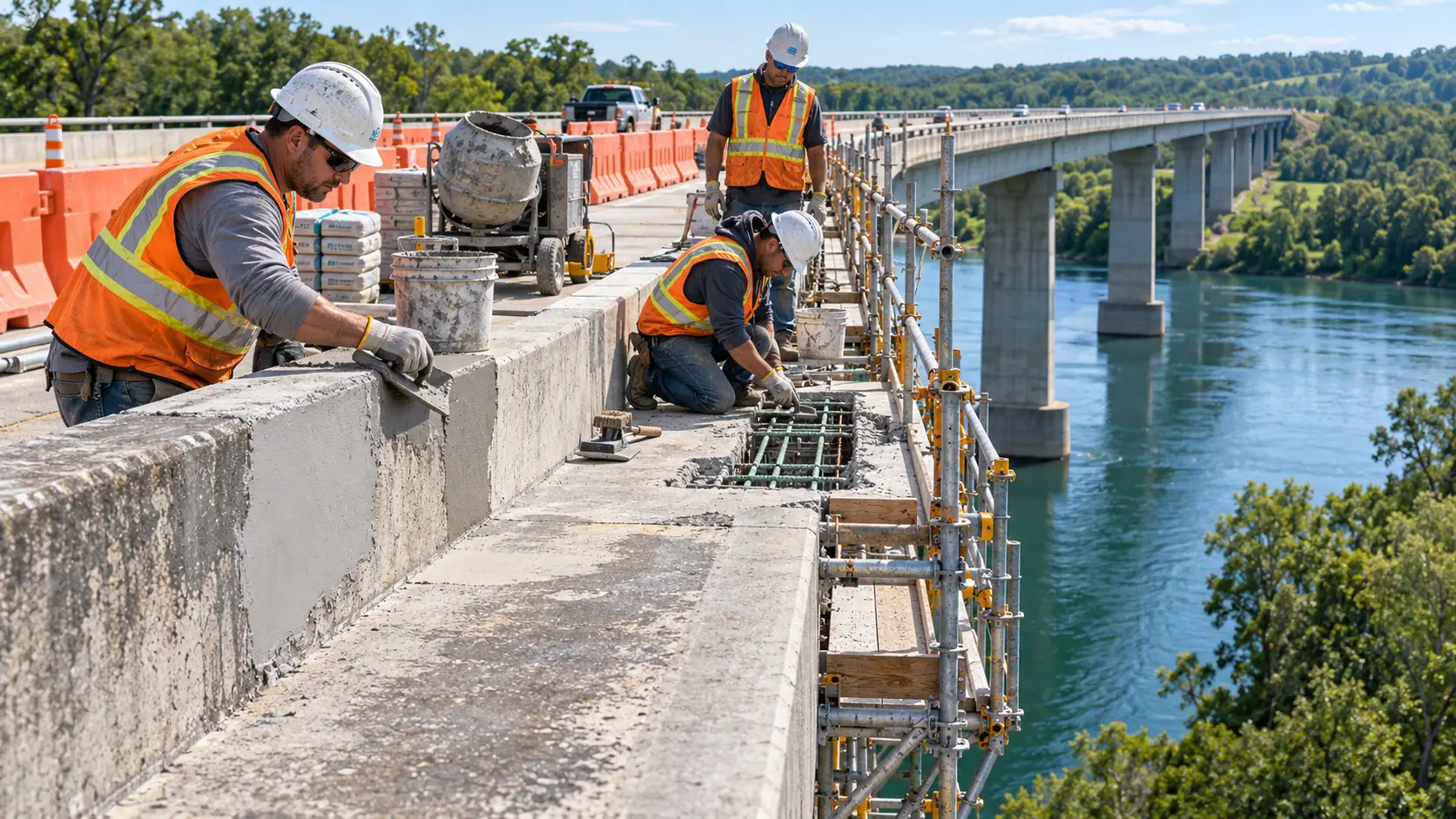
Inspectors assess accessible deck surfaces, sidewalks, curbs, barriers, joints, and drainage features. Observations may include cracking, spalling, leakage, damaged barriers, and blocked drains. Records document the location and extent of defects and their potential implications for maintenance and further review.
03
Superstructure Inspections
Reviews examine beams, girders, trusses, connections, bracing and other load-carrying elements. Inspectors document corrosion, section loss, deformation, cracking and signs of movement. Findings help identify where close-up inspection, material testing or structural analysis is warranted.
04
Substructure & Foundation Reviews
Accessible abutments, piers, bearing seats and foundations are inspected for deterioration, settlement and displacement. Waterway observations may include debris accumulation, erosion and evidence of scour. Underwater or specialist investigations are coordinated as needed to assess components below the waterline.
05
Bearings, Joints & Movement Systems
Inspections assess visible bearing conditions, joint performance, and evidence of restricted or unexpected movement. Leakage and debris are documented because they can accelerate deterioration of adjacent components. Recommendations may include cleaning, repair, monitoring, or detailed assessment.
06
Targeted Testing & Specialist Investigations
When visual inspection leaves important questions unresolved, engineers recommend appropriate testing. Methods may include concrete investigations, steel thickness measurements, non-destructive testing, or surveys. Results help determine the extent of defects and inform subsequent engineering decisions.
07
Condition Ratings & Recommended Actions
Inspection findings are organized under the owner’s reporting framework. Recommendations distinguish routine maintenance, planned repairs, and concerns requiring prompt attention or additional analysis. Inspection observations inform decisions about structural capacity; a separate load evaluation may be required to establish capacity.
08
Reporting & Follow-Up
Reports include photographs, defect descriptions, inspection coverage, and limitations. Findings can be entered into asset records to track changes between inspections. Follow-up work may include monitoring, detailed assessments, or the preparation of rehabilitation designs.